UMaine Center for Cooperative Aquaculture Research (CCAR)
Working for a Diverse and Sustainable Aquaculture Industry
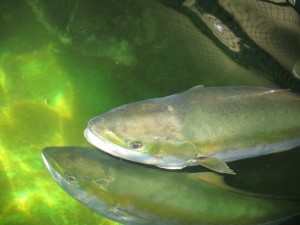
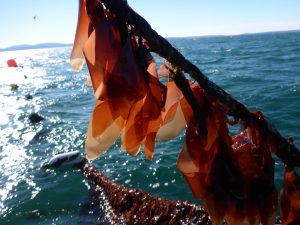
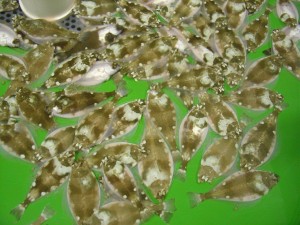
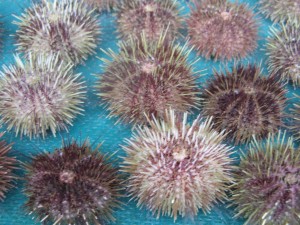
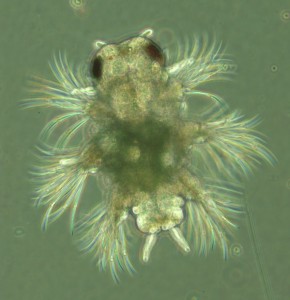
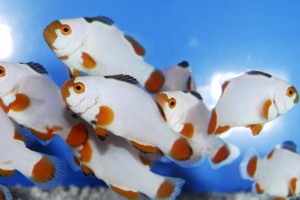
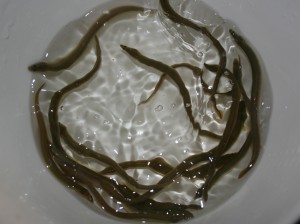
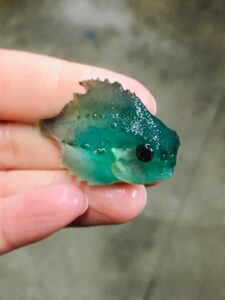
The Center for Cooperative Aquaculture Research (CCAR) was founded in 1999 by the University of Maine as an aquaculture research and development facility, to address industry needs at industry scale. Located on Taunton Bay in Franklin, Maine, the CCAR’s extensive facilities include marine hatcheries, where juvenile fish, invertebrates, and sea vegetables are propagated for research and industry. Our Team is experienced in raising a multitude of species, including tilapia, salmon, flounder, California yellowtail, Atlantic halibut, eels, marine polychaetes, and sea urchins. The Center also serves as an aquaculture business incubator, where entrepreneurs can get help with their business plans, find a site for their operations, secure investment capital, engage in research and development, design full-scale commercial aquaculture farms, and utilize our hatchery services. The CCAR is a resource for new and established companies, students and faculty, and fisherman trying to rebuild natural stocks.
Our mission is to grow the aquaculture sector in Maine through:
- Innovation Develop and improve farming technologies for aquatic species
- Demonstration Pilot trials and demonstration projects
- Facilitation Facilities for industry and researchers to carry out projects and trials
- Collaboration Work with others towards sustainable aquaculture and fisheries
- Education Train staff and students and educate the public about aquaculture